For many Malaysians, shopping for Deepavali is as much a part of the celebration as the festivities themselves.
Whether it is an elaborate silk saree, a beautifully embellished lehenga or a simple cotton kurta, festive dressing offers an opportunity to embrace tradition while expressing personal style.
But the way women approach Indian fashion is changing.
Where once festive outfits were largely influenced by family traditions and established styles, today’s shoppers have an abundance of choices at their fingertips.
Social media, Bollywood, contemporary fashion and individual preferences are increasingly shaping what ends up in their wardrobes.
Younger generations are also approaching traditional clothing with fresh eyes, experimenting with silhouettes, colours and styling techniques that reflect their personalities.
Comfort, affordability and versatility are influencing purchasing decisions, particularly as consumers become more conscious of spending.
Yet, amid these changes, traditional Indian attire continues to hold its appeal.
For Malaysian retailers specialising in Indian wear, the challenge is not necessarily to reinvent tradition but to make it relevant to a new generation of customers.
And as Deepavali approaches, their experiences offer an insight into how heritage and contemporary tastes are finding common ground.
New generation of style
For Yessh Ravin, founder and director of Yeshan Sarees, one of the most noticeable changes over the past decade is the growing confidence of younger women in choosing their festive outfits.
Previously, shopping for Deepavali was often a family affair, with clothing choices influenced by parents and established traditions.
Today, younger customers are more likely to arrive knowing exactly what they want.
“Ten years ago, Deepavali shopping was often a family decision: the saree that was bought for you, worn the way it had always been worn. Today the younger woman chooses for herself,” says Yessh, who started the brand with founder and CEO Mir Momin.
“She arrives with a picture saved on her phone, a clear colour in mind and strong views on fit,” adds Yessh.
It is a shift that reflects how fashion has become an increasingly personal form of expression.
Mir agrees that customers are now more informed about what they are buying, comparing fabrics, asking questions about tailoring and wanting to see how an outfit looks when worn before making a decision.
Although traditional elements such as vibrant colours, decorative borders and embellishments remain important, people are increasingly looking for outfits that reflect their individual tastes.
Liviyaa Praakash, founder of LivSarees, has observed similar changes among her customers.
Since establishing her business in 2016, she has seen women become more adventurous with fabrics, colours and contemporary designs.
“Traditionally, Deepavali shopping was largely centred around classic sarees, heavier silks and elaborate traditional outfits,” she says.
“While these styles are still very much loved, especially during festive occasions, customers today are more experimental with their choices.”
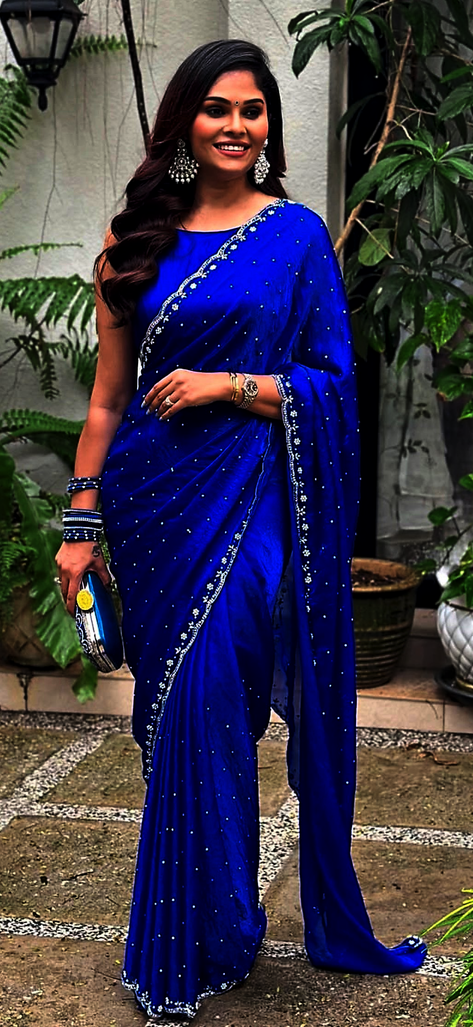
Fusion wear, unconventional colour combinations and modern styling are gaining attention, particularly among younger women who want to celebrate their heritage without necessarily following conventional fashion rules.
According to Yessh, Bollywood continues to influence festive fashion, particularly when it comes to colour, glamour and elaborate styling. However, platforms such as Instagram have made fashion inspiration more immediate and accessible.
A look spotted at a celebrity wedding or in a film can quickly become a reference point for customers planning their next outfit.
“Bollywood sets the mood for colour and drama, and international fashion shapes how pieces are styled together,” she explains.
Liviyaa adds that customers frequently arrive with photographs and styling ideas they have discovered online, hoping to recreate a particular look or adapt it to suit their preferences.
However, this growing individuality does not necessarily mean younger women are abandoning traditional clothing.
Instead, they are finding new ways to make it their own.
“I think the beauty of Indian fashion is that tradition never really goes out of style. It’s simply evolving with each generation,” says Liviyaa.
Read more: How South Korean perfumers are turning cultural heritage into modern fragrances
Keeping tradition alive
While contemporary influences are reshaping festive wardrobes, traditional handwoven sarees continue to occupy a special place in Indian culture.
For sisters Jeevitha and Suvitha Rajasingam, who co-founded Pattushastra in 2012, the significance of a saree extends far beyond its appearance.
Specialising in traditional Kanjivaram silk sarees, the sisters have dedicated their business to celebrating the artistry and craftsmanship of handloom textiles.
A single saree can take days or even weeks to complete, involving numerous stages of production and skilled artisans.
“Traditionally handwoven sarees are special because every piece is created with immense love, patience and care by a weaver,” says Jeevitha.
“From the beginning of the process until the saree is complete, it passes through multiple layers of skilled craftsmanship.”
The sisters’ appreciation for handloom began at home, where their grandmother shared stories about the sarees she owned and the traditions associated with them.
Those childhood experiences helped shape their understanding of textiles as something more meaningful than clothing.
In many families, sarees are treasured possessions that carry memories of important occasions.
A wedding saree, for instance, may be worn again during other significant milestones before eventually being passed down to the next generation.
Suvitha describes how a saree can become part of a woman’s life story, accompanying her through marriage, motherhood and family celebrations.
“More than just a piece of clothing, the saree becomes a vessel of memories, carrying love, blessings, and traditions from one milestone to the next.”
Such emotional connections help explain why traditional silk sarees remain popular during the festivities.
They are also an important way of preserving cultural knowledge, particularly when older family members share the stories behind treasured garments with younger generations.
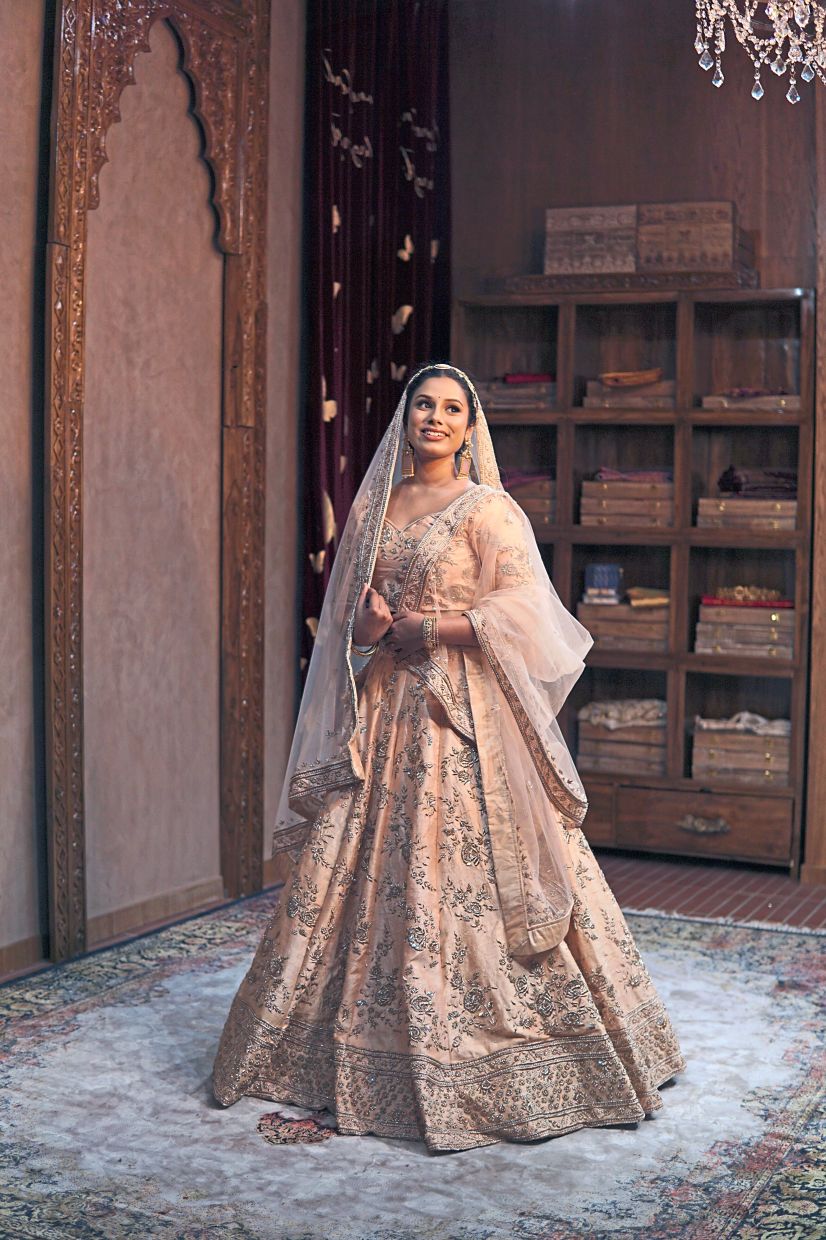
Suvitha notes that there has been a growing interest in handloom sarees among younger Malaysian women.
Online media, while often associated with rapidly changing fashion trends, has also made information about traditional textiles and weaving techniques more accessible.
Younger consumers are discovering the differences between handwoven and machine-made fabrics, while experimenting with contemporary ways of draping and styling sarees.
This renewed interest demonstrates that preserving tradition does not necessarily require clothing to remain unchanged.
At Pattushastra, the sisters work with master weavers to introduce contemporary colours and combinations while maintaining the integrity of traditional craftsmanship.
“Every heritage saree embodies extraordinary skill and artistry,” says Jeevitha.
“Its identity should never be ignored, diluted or erased – but it can be thoughtfully reimagined.”
The sisters have also observed interest from customers of different generations and cultural backgrounds, suggesting that appreciation for traditional textiles can extend beyond their original cultural context.
For them, keeping handloom relevant is about encouraging people to understand the stories, techniques and skills behind each piece.
Read more: As fashion faces pressure to act responsibly, how does Malaysia measure up?
Comfort meets convenience
Although elaborate silk sarees and heavily embellished outfits remain popular for festive occasions, women are increasingly seeking clothing that fits comfortably into their lifestyles.
For some, that means choosing lighter fabrics and simpler silhouettes. For others, it means finding easier ways to wear traditional garments.
Yessh and Mir have noticed that customers are not necessarily moving away from traditional attire.
Instead, they want it to be more practical.
“The saree is still the heart of Deepavali for us, and traditional designs remain very popular,” says Yessh.
“What customers want now is tradition made easier to wear.”
This has contributed to interest in conveniences such as made-to-measure blouses and pre-pleated, ready-to-wear sarees, which simplify the dressing process without changing the overall appearance of the garment.
For women unfamiliar with traditional draping techniques, these alternatives can make sarees less intimidating.
Mir believes that such adaptations help remove some of the practical concerns associated with traditional clothing.
“A saree with a blouse that fits properly, or one that is ready in a minute, is still a traditional saree,” he says.
The emphasis on convenience also reflects the realities of modern lifestyles.
Deepavali celebrations often involve visiting relatives, hosting guests and attending gatherings throughout the day, making comfort an important consideration.
Liviyaa has noticed increasing interest in lighter materials, including cotton, as well as less elaborate designs.
However, she believes there is still a place for statement pieces.
“I think there is room for both and it really depends on the occasion and individual preference,” she says.
“For Deepavali, many women still love dressing up in beautiful, elaborate sarees, lehengas and traditional outfits.”
At the same time, women who are balancing work, family commitments and other responsibilities may prefer clothing that allows them to move comfortably without compromising on appearance.
Rather than replacing elaborate traditional clothing, simpler options are expanding the choices available to consumers.
A lightweight saree or relaxed kurta can be just as appropriate for certain celebrations as a more formal ensemble, depending on the occasion and personal preference.
Ultimately, the growing emphasis on comfort suggests that festive fashion is becoming less about following a prescribed look and more about dressing in a way that feels right for the individual.
Built to last
Beyond changing tastes and practical considerations, the cost of festive clothing is becoming an increasingly important factor for shoppers.
With household expenses rising, consumers are paying closer attention to what they buy and how often they are likely to wear it.
Liviyaa says customers are now more conscious of balancing price, quality and practicality.
“Rather than simply purchasing something because it looks beautiful, they are increasingly considering the quality, price, practicality and how often they can wear the outfit.”
While some are willing to invest in more expensive garments, others are looking for affordable pieces that still offer good design and quality.
The shift has also encouraged greater interest in clothing that can be worn beyond festive occasions.
“For instance, a saree that can be styled for a festive occasion but also worn for a family function or a kurta suit that works for both casual outings, office wear and celebrations,” says Liviyaa.
“Customers are now looking at Indian wear as part of their everyday wardrobe rather than something reserved only for special occasions.”
“You shouldn’t have to wait for a festival or a wedding to wear something beautiful,” she says.
Yessh shares this observation, noting that women are increasingly thinking about how to get more wear out of their purchases.
“A saree that is worn at Deepavali can appear at a wedding, a family dinner or a celebration at work, with a different blouse and a different mood.”
For Pattushastra, however, the conversation about value also raises questions about the future of traditional craftsmanship.
Handwoven sarees are often more expensive than mass-produced alternatives because of the time, skill and labour involved in their creation.
“Over the past six to seven years, especially since Covid-19, we have watched the handloom industry become increasingly fragile. Machine-made fabrics, mass production and cheaper blends have made faster, lower-cost alternatives widely available,” says Jeevitha.
“Economic pressures have pushed some weavers towards faster production, while the market’s focus has gradually shifted from quality to quantity.”
Producing a single saree can involve lengthy processes, and challenges such as a shortage of skilled artisans and even weather conditions can affect production.
The sisters believe that although machines can reproduce traditional patterns, they cannot entirely replicate the individuality and expertise of handwoven textiles.
Small irregularities in the weave, for instance, are often characteristics of handmade craftsmanship rather than defects.
For consumers, understanding these distinctions can help explain why certain garments command higher prices.
Nevertheless, Jeevitha acknowledges that handloom will not appeal to everyone.
“Not everyone will choose handloom, and we accept that. There will always be people who recognise and appreciate its value – and those are the people we hope to reach.”
In this sense, value means different things to different shoppers.
For some, it is about finding affordable clothing that can be worn repeatedly. For others, it is about investing in a carefully crafted garment that may remain in the family for generations.
Both approaches reflect a growing desire to make more considered fashion choices.
From heirloom silk sarees to easy-to-wear designs and versatile everyday pieces, women have more freedom than ever to decide how they want to dress.