Decency has been salvaged from the wreckage, MAGA is dying in the ditch, and Donald Trump is a lame duck with the instincts of a wounded predator.
The president may be politically crippled, but the man with the golden grift still has teeth—and two years left to sell the furniture, burn America down, and call the ashes a diplomatic triumph.
It’s legacy time.
The morning after the Republican Party was beaten so badly that even its victory speeches filed for political asylum, I spoke separately with two seasoned foreign-policy specialists and to Democratic senators. Both were delighted by the electoral carnage. Both were haunted by what might come next.
Democrats had captured both houses of Congress, yet neither could shake the fear that Trump, cornered at home, might sell Taiwan to Xi Jinping for diplomatic trinkets and a gold-plated invitation to the Nobel ceremony. They had won Congress. The trouble was that the man with the matches still had the keys to the world.
“Trump’s pursuit of immortality could produce the most consequential bargain of his presidency. Do not discount Taiwan as the price,” warned one of the senior foreign-policy advisers to a Democratic senator, who spoke on condition of anonymity because he was not authorized to discuss the matter publicly.
With Republicans floundering in a midterm bloodbath, Trump’s domestic ambitions are headed straight into the legislative wood chipper.
Lame duck still got lighter
But abroad, the monarch of Mar-a-Lago retains extraordinary latitude. And there lies the danger: a tormented president, desperate for immortality, discovering the world is easier to bargain with than Congress.
History knows this anguished character.
Nixon went to China as Watergate gathered like a thunderhead. Clinton pursued Middle East peace beneath impeachment’s shadow. Obama negotiated with Iran after Republicans seized Congress. Presidents weakened at home seek salvation overseas.
But Trump is no Nixon. Nixon understood diplomacy as chess played across generations. Trump hears only the perpetual real estate salesman’s command from Glengarry Glen Ross: ABC—Always Be Closing. The deal is everything. The consequences are somebody else’s problem.
And the asset may be Taiwan.
The makings of a Faustian bargain are unmistakable. Redemption is not part of the deal.
Trump boasts of his “great friendship” with Xi, flirts with a G2 condominium governing world affairs, and has reportedly held back a $14 billion Taiwan arms package, describing it as “a very good negotiating chip.”
A negotiating chip? Taiwan is a democracy of 23 million people, not real estate awaiting a buyer.
In Taipei, military planners await American weapons while Trump weighs what Xi might offer to keep them undelivered. David Rennie of The Economist warns Trump might “sell Taiwan for soybeans.” Brookings scholar Ryan Hass sees a lurch “from deterrence to dealmaking,” while retired Rear Admiral Mike Studeman fears Taiwan becoming the ultimate geopolitical concession. The arithmetic is savage: Xi wants Taiwan, Trump wants a triumph, and 23 million people stand inconveniently between them.
Imagine Trump telling Xi: Taiwan is yours. In exchange, Beijing must stop sustaining Putin’s war in Ukraine, squeeze Iran’s rulers and tighten the noose around Kim Jong Un.
Three geopolitical trophies for one island democracy.
Beijing’s friends with benefits
Ukraine pacified, Tehran weakened, North Korea isolated and Xi smiling beneath the chandeliers. The Nobel committee might need to disconnect its telephone.
The logic is not entirely insane. China buys Russian energy and supplies dual-use goods, sustaining Moscow’s war effort. It purchases Iranian oil and holds enormous economic leverage over North Korea.
But leverage is not obedience. Xi cannot order Putin to surrender, dismantle Iran’s regime or disarm Kim. Nor would Beijing necessarily sacrifice those relationships for Taiwan.
Still, the temptation is enormous.
Xi has made Taiwan’s unification his historical mission. Trump has made the spectacular transaction his governing religion. Each wants a monument. Neither seems especially troubled by smaller nations standing between ambition and immortality.
History offers a warning.
In 1972, Nixon and Kissinger opened China through carefully calibrated ambiguity over Taiwan. Washington acknowledged Beijing’s position without endorsing its sovereignty claim. In 1979, America recognized Beijing while preserving unofficial ties with Taipei. Reagan’s 1982 arms-sales understanding came with assurances against abandoning Taiwan or negotiating its future behind its back.
Those distinctions preserved an uneasy peace. Trump appears willing to blur them.
More to Read
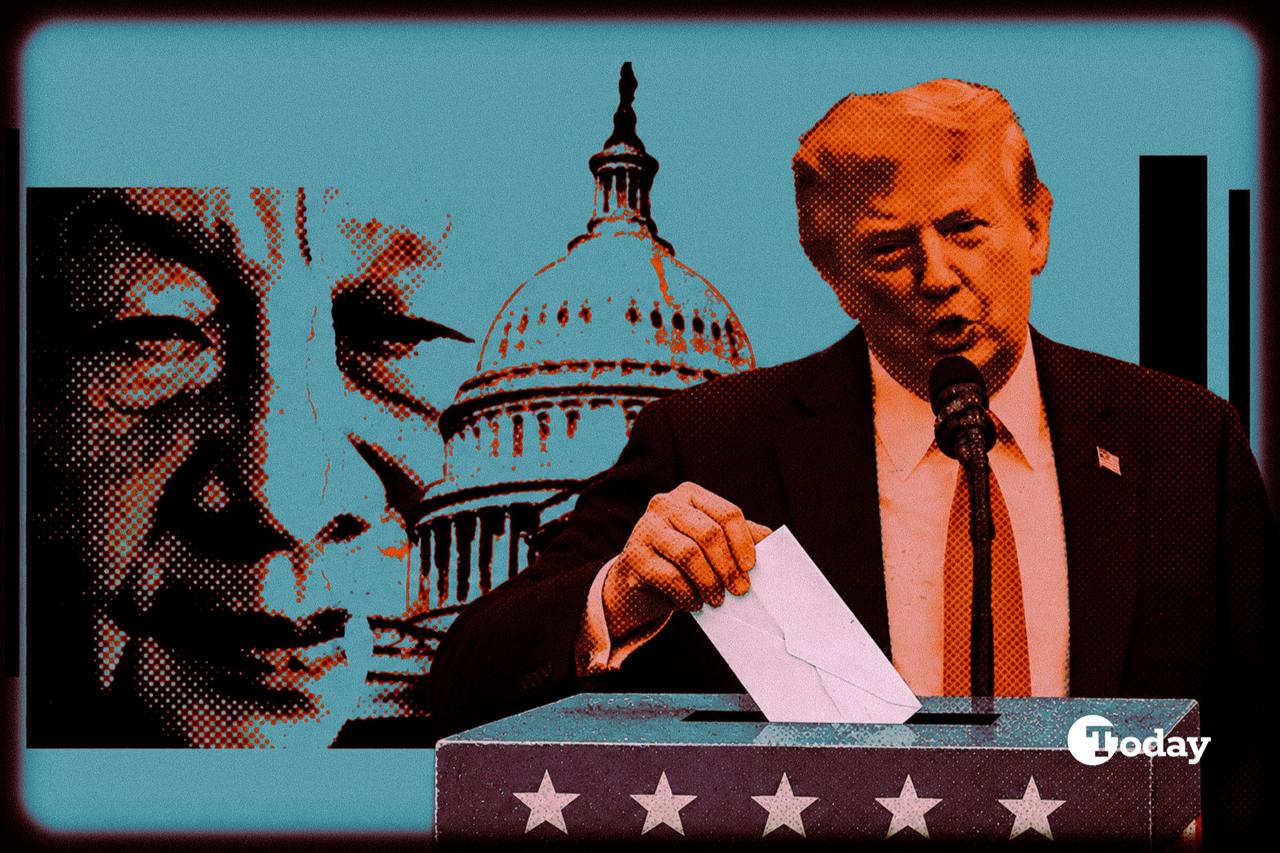
A chip-off the apocalypse
The consequences could be catastrophic. China rehearses blockades around Taiwan. More than $2.4 trillion in goods crossed the Taiwan Strait in 2024. Taiwan’s semiconductor industry anchors the global technological economy. A miscalculation could cripple supply chains, destabilize Japan and the Philippines, and turn the Pacific into the world’s most expensive battlefield.
Even Turkish President Recep Tayyip Erdogan, whose government follows Beijing’s One-China policy, warned during the 2022 Taiwan crisis: “We must not allow a fresh crisis to emerge.” Recognizing Beijing does not mean accepting military coercion.
The greater danger is that Trump may not understand what he’s selling, what he’s buying, or why Xi is smiling.
Carnegie’s Evan Feigenbaum has mocked America’s “reverse pivot from Asia.” Ali Wyne of the International Crisis Group warns that frustration with Trump’s China policy could unwind “violently and unpredictably.”
That is the final obscenity: Trump could sacrifice Taiwan for temporary or worthless concessions, leaving his successor an emboldened China and an abandoned democracy.
Kissinger understood that great powers have interests, not permanent friendships. Trump believes personal affection between strongmen can replace alliances, deterrence and trust.
The U.S. president may convince himself that history forgives betrayal if the deal is grand enough. But Faust eventually leaves the stage. The devil remains to collect.

November 04, 2026 11:40 AM GMT+03:00