Writing in the MEN, the Prime Minister says trusted local journalism is vital to holding governments to account, tackling misinformation and giving people a stronger voice

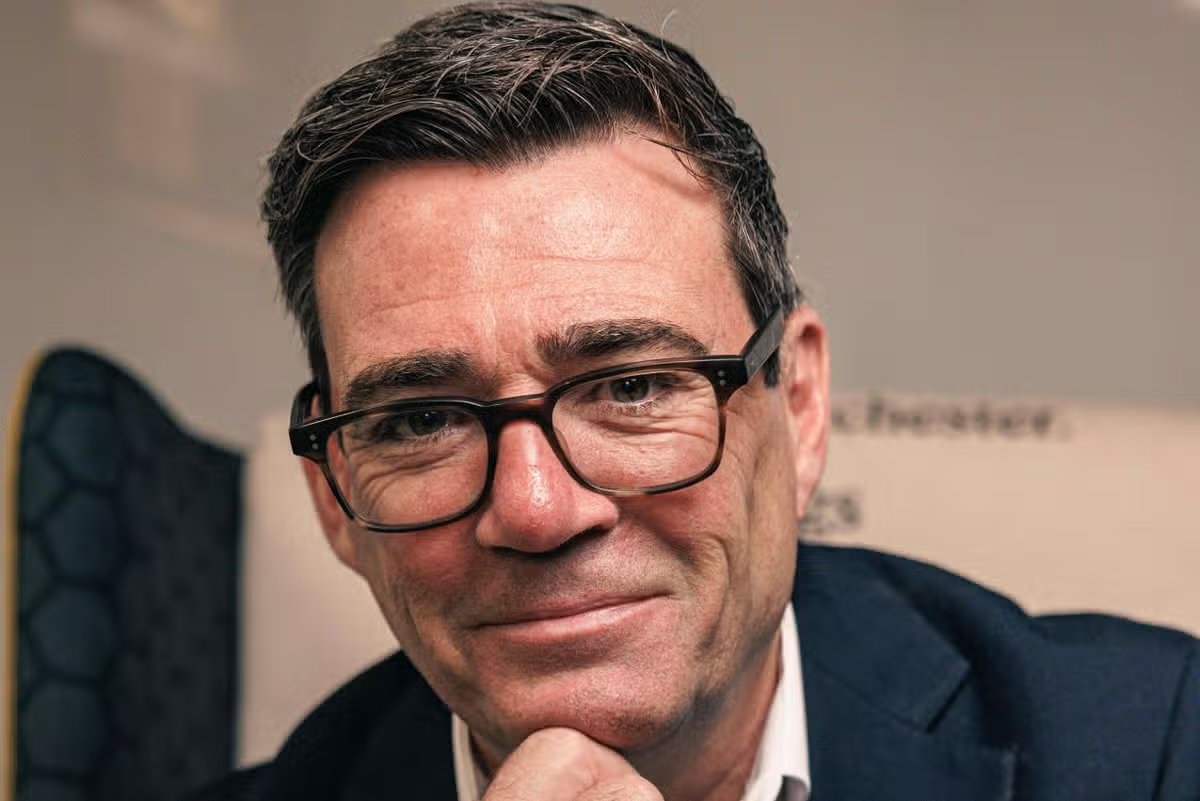
Writing in the MEN, Prime Minister Andy Burnham says local journalism matters(Image: Kenny Brown | Manchester Evening News)
Too much power in this country has flowed one way: towards Westminster and away from the places where people actually live their lives. This government is changing that.
We are putting power and resources back into the hands of communities. Because I want people in local communities to have a bigger say over the decisions that shape their area.
But with greater local power must come local accountability. And that is why local journalism matters.
Click here for the latest on Greater Manchester’s politics in our newsletter
Local reporters are the people sitting in council chambers, courts and planning meetings, asking the questions that need to be asked. They shine a light on decisions made in people’s name and give communities a voice.
But their role goes much further than holding power to account.
At moments when communities are at their most vulnerable, good local journalism can bring people together and separate fact from fiction. We saw that after Southport and, more recently, in Belfast, when trusted reporters challenged lies and misinformation being spread online.
And I saw its power myself as Mayor of Greater Manchester. When the Manchester Evening News campaigned for free bus travel for homeless children living in temporary accommodation, it didn’t just report what was wrong, it brought people together to get behind the change that was needed.
That is exactly what this year’s Journalism Matters campaign is about: recognising journalism not as a nice-to-have, but as part of the national infrastructure of a healthy country and democracy. It holds power to account, strengthens our resilience and connects people to the places they call home.
And yet access to good local journalism is becoming increasingly unequal. Ninety-five per cent of adults access local news, but the market alone will not sustain it everywhere. Up to 37 local authority districts now have no dedicated outlet of their own, leaving as many as 4.4 million people in local “news deserts”, disproportionately in some of our most deprived urban communities.
I’ve spent my career arguing that where you live should not determine the opportunities you get. I believe exactly the same principle applies to information. People in every part of the country deserve trusted local news, scrutiny of those in power and a strong voice for their community.
So, the government is acting.
Don’t let an algorithm decide what Manchester news you see – click here to add the MEN as your preferred Google source
Through our Local Media Action Plan, the new Local News Fund will provide up to £12 million over two years. This is part of a wider package of measures we’re delivering to support local journalism. This year, local newspapers, websites and independent television and radio stations in England and
Wales have been able to bid for up to £125,000 to invest in their future, whether that’s new technology, multimedia journalism, reaching younger audiences or finding new ways to bring in revenue.
We have also made up to £275,000 available for projects that strengthen the wider industry. And in the second year, £1 million will help communities bring local journalism back where it has disappeared, whether by reviving a dormant title, expanding a neighbouring publication or establishing a community-owned outlet.
We’re doing this because devolution cannot simply mean moving power from one set of politicians to another. It has to mean giving people more of a say. For that to work, they need to know what is being done in their name. They need journalists willing to ask difficult questions, expose wrongdoing, challenge misinformation and champion their communities.
That is why I am proud to support this year’s Journalism Matters campaign, and why this government will work to ensure trusted local journalism remains at the heart of communities across our country.