
Quick overview
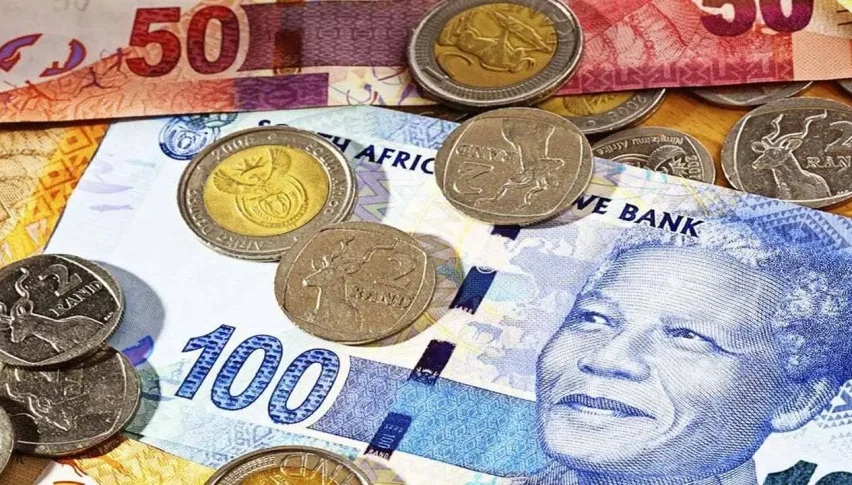
- The South African rand is trading around R16.50 against the U.S. dollar, facing pressure from declining gold and platinum prices, rising producer inflation, and high oil prices.
- Producer inflation rose to 6.2% year-on-year in September, while consumer inflation showed a slight decrease, potentially easing pressure on the South African Reserve Bank.
- International oil prices and geopolitical developments, particularly regarding Iran, add uncertainty to the rand’s outlook, as higher oil costs could impact inflation and economic stability.
- The upcoming U.S. economic data and Federal Reserve commentary will be crucial in determining the rand’s direction, with R16.50 serving as a key technical reference point.
The South African rand continues to trade near R16.50 against the U.S. dollar despite renewed pressure from weaker gold and platinum prices, accelerating producer inflation and elevated oil prices, while U.S. economic data and developments in the Middle East could determine its next direction.
USD/ZAR Holds Near R16.50
The South African rand remained relatively resilient last week, holding around R16.50 despite weakening precious metals and higher international oil prices. The currency came under pressure on Thursday after gold and platinum prices declined following the Federal Reserve’s decision to keep interest rates unchanged.
Gold fell nearly 1%, while platinum dropped 2.9%, reducing support for South Africa’s export-sensitive currency. Producer inflation also accelerated, adding another concern for the domestic economic outlook.
Statistics South Africa reported that producer inflation increased to 6.2% year-on-year in September, compared with 5.0% in August.
As a risk-sensitive emerging-market currency, the rand remains heavily influenced by global developments, particularly U.S. monetary policy, Treasury yields, commodity prices and investor appetite for risk.
USD/ZAR Reversal Keeps R17 in Focus
USD/ZAR previously climbed above R16.75 before losing momentum and reversing towards R16.50 as the U.S. dollar weakened and Treasury yields declined.
The retreat suggests dollar buyers are struggling to regain control, leaving the exchange rate vulnerable to further declines unless resistance is reclaimed.
The psychological R17 level remains an important hurdle for dollar bulls. Failure to establish a sustained move above this level could keep the broader downside outlook in focus, particularly if precious metals recover and international oil prices retreat.
However, renewed weakness in South African export commodities or deteriorating domestic economic conditions could limit rand strength.
Inflation and Budget Measures Provide Some Support
South Africa’s medium-term budget policy statement remained an important focus last week, with Finance Minister Enoch Godongwana announcing temporary fuel levy relief to ease pressure on households and businesses.
The government plans to reintroduce fuel levy reductions for two months from November as part of a R10 billion initiative. Although the measures provide temporary relief, their longer-term effectiveness will depend on international oil prices and the government’s fiscal position.
Consumer inflation offered a more encouraging development. Statistics South Africa reported that consumer prices increased by 0.4% month-on-month in September, below expectations of 0.5%. Annual inflation reached 4.5%, also below the 4.7% forecast.
The softer figures could reduce pressure on the South African Reserve Bank to tighten monetary policy further. Relatively attractive domestic interest rates could continue supporting the rand if inflation remains contained.
Oil Prices and Iran Negotiations Add Uncertainty
International oil prices remain another important risk. WTI crude closed above $103 per barrel last Friday before opening approximately $2 lower near $101 on Sunday evening. Brent crude similarly retreated towards $111 after closing above $113.
The pullback followed renewed diplomatic discussions between Iranian negotiators and Qatari mediators in Doha, aimed at ending the U.S.-Israeli conflict with Iran.
Any progress towards reopening the Strait of Hormuz could reduce geopolitical risk premiums and ease pressure on energy-importing economies such as South Africa. However, renewed escalation could push oil prices higher, increasing fuel costs and inflationary risks.
U.S. Data and Federal Reserve Commentary Ahead
The coming week brings the U.S. midterm elections, ISM manufacturing figures and employment releases, culminating in Friday’s Nonfarm Payrolls report.
The Federal Reserve recently maintained interest rates at 3.75% to 4.00%, while investors continue assessing the possibility of further tightening.
Weaker employment data could pressure the dollar and Treasury yields, potentially supporting emerging-market currencies. Stronger figures could have the opposite effect.
USD/ZAR Returns Above R16.50
From a technical perspective, the failure to break above R17 represents an important setback for dollar bulls.
The pair’s move toward R16 suggests that sellers have regained control after the previous recovery attempt. A sustained break below key support could accelerate the decline and strengthen the case for a broader rand recovery.
However, the outlook remains fragile. A hotter U.S. CPI reading, renewed geopolitical escalation or a more dovish SARB could quickly undermine the rand.
For now, the combination of dollar weakness, stronger gold prices and softer U.S. labor data is giving the South African currency some much-needed relief, but the next major test will be whether USD/ZAR can sustain its move lower rather than simply correcting from the failed R17 breakout.
USD/ZAR Chart Weekly – Reversing at the 50 SMA Again
On the daily chart above, the trend has been bearish for more than a year, with moving averages acting as resistance during upside rice action. But the pair has now pushed above the 200 daily SMA in purple, opening the door for R17. However the price formed a doji candlestick up there after finding resistance at the 50 SMA in yellow and it has started to reverse lower.
On the monthly chart below, USD/ZAR seems to have bottomed at the 100 SMA (green) where it found support in the last two months. Last month we saw a rebound as the Rand weakened while the Dollar gained, but buyers are facing the 50 SMA (yellow) and in April the forex pair has reversed lower again. For the larger uptrend to resume, USD/ZAR would need to push above this moving average but sellers remain in control for 2 years and the downside is also at risk.
USD/ZAR Chart Monthly – Returning Finding Support at the 100 SMA
Rising Oil Prices Threaten the Rand
Oil prices increased last week following renewed Houthi attacks in Saudi Arabia, raising concerns about further escalation in the Middle East and possible disruptions to regional energy supplies.
Higher oil prices are a significant risk for South Africa because the country depends on imported fuel. A sustained increase would raise transport and production costs, potentially lifting inflation and limiting the SARB’s ability to reduce interest rates.
This creates a difficult balance for the rand. Lower domestic inflation and a weaker dollar could support the currency, but rising energy costs and geopolitical uncertainty could offset those benefits.
Month-end flows and South African economic releases could add further volatility as investors adjust their positions.
Rand Outlook: R16.50 Remains a Key Battleground
The rand continues to hold near R16.50, but the outlook remains dependent on several competing factors. Lower oil prices, softer U.S. economic data and improving precious-metal prices could provide support.
Conversely, elevated energy costs, weaker export commodities and renewed dollar strength could push USD/ZAR higher.
For now, R16.50 remains an important technical reference point, while R16.75 and the psychological R17 level represent resistance for dollar buyers. The coming week’s economic releases and geopolitical developments could determine whether the rand extends its recovery or faces another period of weakness.

Skerdian Meta
Lead Analyst
Skerdian Meta Lead Analyst.
Skerdian is a professional Forex trader and a market analyst. He has been actively engaged in market analysis for the past 11 years. Before becoming our head analyst, Skerdian served as a trader and market analyst in Saxo Bank’s local branch, Aksioner. Skerdian specialized in experimenting with developing models and hands-on trading. Skerdian has a masters degree in finance and investment.