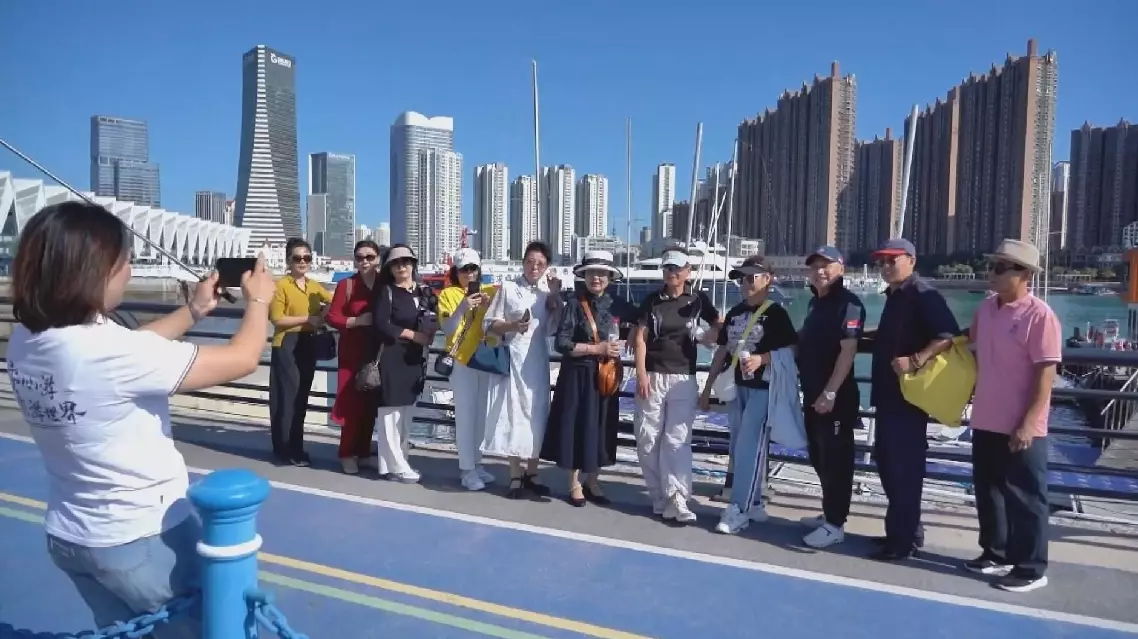
China’s road, rail, civil aviation and waterway passenger flows have remained high on the second day of the National Day holiday on Friday, with notable growth in short- and medium-distance travel, according to official data.
Highway traffic is expected to remain at 62 million to 64 million vehicle trips, with travel mainly featuring multi-destination trips between scenic spots and short-distance transfers within regions. Localized traffic pressure has increased in long-haul tourist destinations such as Xinjiang, Qinghai and Gansu.
Railways are expected to carry 20.39 million passenger trips on Friday, with 1,462 additional trains scheduled. To accommodate the concentration of short-distance holiday travel, railway departments in many regions have increased the frequency of intercity trains and strengthened coordination with local authorities. Information on shuttle bus routes to scenic spots is being displayed in station exit areas to facilitate quick transfers for arriving tourists.
Waterways are expected to handle 1.72 million passenger trips. Cruise travel is seeing a peak during the holiday. Shanghai Wusongkou International Cruise Terminal will handle five international cruise ship calls over the seven-day holiday, with nearly 50,000 passenger trips expected to pass through, up 66.7 percent and 60.3 percent, respectively, from the same period in 2025.

China sees sustained high travel demand on Day 2 of National Day holiday
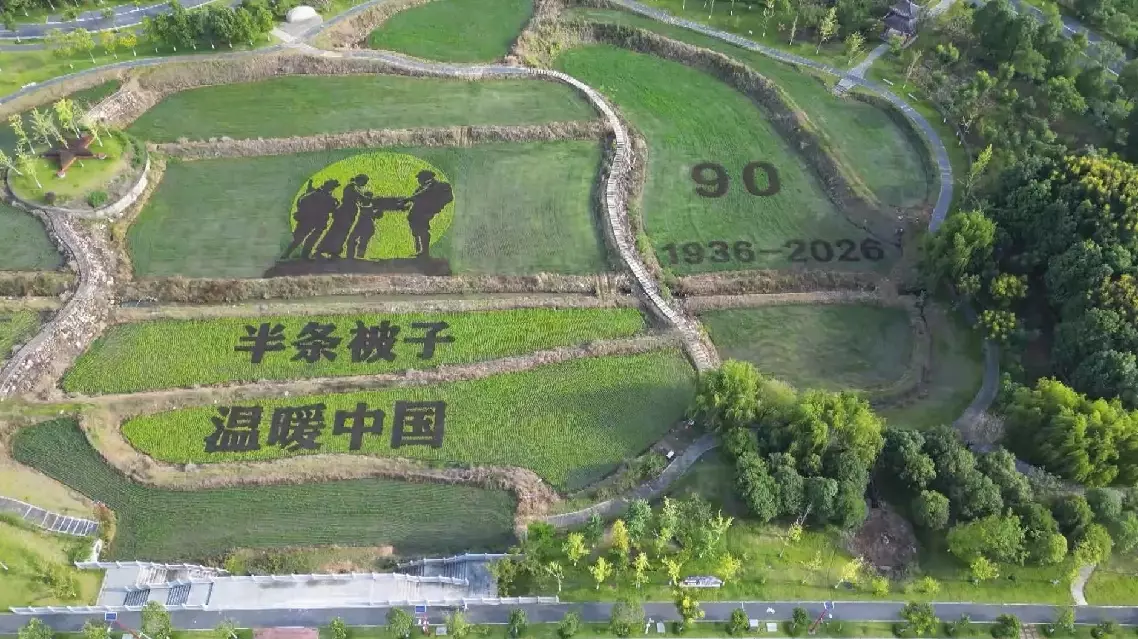
An inspiring story involving an act of kindness shown by a group of female Red Army soldiers towards a poor rural family facing extreme hardships during the Long March over nine decades ago continues to leave a legacy to this day, inspiring generations of local people in the Shazhou Village of central China’s Hunan Province to strive for the village’s revival.
The Long March, a historic military trek from 1934 to 1936, saw Red Army troops led by the Communist Party of China (CPC) brave raging rivers, snow-covered mountains and treacherous grasslands, marching as far as 12,500 kilometers. The arduous journey laid the foundation for the eventual victory of the Chinese revolution, which this year marks the 90th anniversary.
The poignant story in question took place in November 1934. As the Red Army passed through the Shazhou Village in Hunan’s Rucheng County, a countrywoman named Xu Jiexiu welcomed three female soldiers who were seeking shelter into her home.
But the impoverished family had no proper blanket to protect them from the cold. That night, Xu, her young child and the three soldiers shared a bed huddled under the soldiers’ own quilt.
When the soldiers left the next morning, they decided to cut their quilt in two, leaving half behind with Xu, a move which symbolized the sense of duty and the strong care for the people the Red Army believed they were fighting for.
The warmth of this tale has lived on for generations, and still has a deep meaning and a direct connection to many people in the village.
Zhu Xiangqun, Xu’s great-grandson, has served as a village official since 2014. He says his approach to the job was shaped by the legacy of the famous ‘Half a Quilt’ story.
“My great-grandmother used to tell us that if our country ever needed us, we should be ready to serve it,” he said.
As the Party Secretary of Shazhou Village, Zhu has been looking for ways to help local farmers reach more markets and increase their family incomes.
As part of China’s intensified poverty alleviation campaign, Zhu and other grassroots officials worked to improve infrastructure and develop specialty industries. The village has now built a large agricultural demonstration base, using modern farming techniques to grow high-quality crops.
“After bringing the villagers’ land together through land transfers, we leased it to companies operating here and set up farmers’ cooperatives. The villagers can earn income from their land and can also work here to earn more,” said Zhu.
The village’s development now goes far beyond agriculture. Its ‘half a quilt’ legacy has also become a draw for visitors.
Zhu Xiaohong, the grandson of Xu Jiexiu, runs a family restaurant. He has seen first-hand how tourism has changed his family’s life.
“In 2015, our family of four had a total income of just over 5,000 yuan (about 750 U.S. dollars). By 2019, it had reached 100,000. Back then, the Red Army gave my grandmother half a quilt. Now, the Communist Party of China (CPC) has brought us a good life,” he said.
Rapid development in the village has also given more young people a reason to stay. After working in different cities, Zhu Xiaomei returned seven years ago and opened up a restaurant of her own. Embracing modern technology in this rural setting, she now also uses livestreaming to sell local farm products to customers far and wide.
“Over the past few years, I’ve had children while running my restaurant here. I can take care of my family and children and still earn an income. That’s exactly what I was hoping for,” she said.
Reflecting on the lasting impact of this story involving his great-grandmother, Zhu Xiangqun said he is proud to continue passing on the legacy of such acts of selflessness and see this local community go from strength to strength.
“Shazhou Village has developed, and the villages around us have grown with it. Seeing people live happier, better lives, that’s the best ‘Long March’ we could undertake as village officials,” he said.
Legacy of ‘Half a Quilt’ tale from Long March continues to inspire villagers nine decades on